







Understanding SAFE Agreements for Startup Funding

Source:https://encrypted-tbn0.gstatic.com
In the spring of 2018, I sat in a dimly lit coffee shop with a brilliant tech founder who was on the verge of pulling his hair out. He had built a promising SaaS prototype, landed three beta enterprise clients, and found an angel investor ready to commit $250,000.
What is a SAFE Agreement and Why Was It Created?
The Concert Ticket Analogy
-
Speed to Close: You can close an angel investor in 48 hours instead of two months.
-
Low Legal Costs: Standardized templates save tens of thousands of dollars in legal retainer fees.
-
Zero Debt Pressure: No maturity dates, no monthly interest accumulation, and no threat of default.
Key Structural Components You Must Understand
[Investor Cash Today] ➔ [Trigger Event: Priced Series A] ➔ [Conversion into Preferred Stock]
1. Valuation Caps (Post-Money vs. Pre-Money)
-
Pre-Money SAFE: Calculates dilution based on the capital structure before the SAFE converts. This older version made it difficult to track exact founder dilution across multiple SAFE investors.
-
Post-Money SAFE: The current Y Combinator standard. It locks in the exact ownership percentage the investor purchases upfront, making cap table management far clearer for founders.
2. Discount Rate
3. Pro-Rata Rights
4. Most Favored Nation (MFN) Clauses
Comparing Early-Stage Investment Vehicles
| Instrument Type | Immediate Valuation Required? | Has Maturity Date / Debt? | Average Legal Cost | Speed to Execution |
| Priced Equity Round | Yes (Strict Negotiation) | No | High ($15k – $50k+) | Slow (4 – 8 Weeks) |
| Convertible Debt Note | No (Deferred) | Yes (Accrues Interest) | Medium ($5k – $15k) | Moderate (2 – 3 Weeks) |
| SAFE Agreement | No (Deferred to Series A) | No (Pure Equity Option) | Low ($1k – $3k) | Fast (24 – 48 Hours) |
Hidden Trap: The “Stacking” Nightmare
Pro Tip: Always maintain a dynamic “Pro-Forma Cap Table” spreadsheet. Before signing any new SAFE, simulate what happens to your personal equity percentage under various Series A valuation scenarios. If a $250,000 check causes you to drop below 50% ownership at Series A, adjust your valuation cap upward.
How to Pitch and Negotiate a SAFE to Investors
-
Emphasize Capital Efficiency: Explain that every dollar spent on legal negotiations for a priced round is a dollar taken away from product development and customer acquisition.
-
Offer a Balanced Cap: Set a valuation cap that rewards the investor for taking high early risk while leaving enough equity room to incentivize you and your core engineering team long term.
-
Use Standard YC Templates: Stick to unmodified Y Combinator templates whenever possible. Custom side letters and modified clauses defeat the primary purpose of using a standardized contract.
Conclusion: Use the Tool Wisely to Fuel Growth
Product Photography Tips to Enhance Ecommerce Listings

Source:https://truenorthsocial.com
A client once came to me in complete frustration after spending over $5,000 on targeted ads for a new line of handcrafted leather bags. The ad impressions were soaring and click-through rates were solid, but the conversion rate was sitting at a painful 0.3%.
The Core Principle: Why Visuals Dictate E-Commerce Conversions
The Digital Display Window Analogy
-
Establish perceived value: Professional lighting and sharp focus instantly justify your price point.
-
Set accurate expectations: Clear, high-resolution imagery minimizes buyer remorse and slashes return rates.
-
Build brand equity: Uniform visual presentation turns one-time shoppers into loyal brand advocates.
Gear vs. Technique: Setting Up Your Studio on a Budget
[Proper Diffusion & Lighting] + [Tripod Stability] + [Clean Backdrop] = High-Converting Product Shot
1. Master Your Light Source and Diffusion
-
Natural Light: Position your sweep adjacent to a large window, ideally angled at 90 degrees to the product. Use a sheer white curtain to diffuse harsh sunlight into a soft, even glow.
-
Artificial Light: If shooting indoors without consistent sunlight, use continuous LED panels equipped with softboxes. Maintain a high Color Rendering Index (CRI) of 95+ to prevent color casting.
2. Eliminate Micro-Jitter with Tripods
Framing & Shot List: Building a High-Converting Image Gallery
Primary Hero Shots (Pure White Background)
-
Use a paper sweep or flexible white acrylic board curved gently from the vertical surface down to the tabletop.
-
Position the product so it occupies 75% to 80% of the frame, ensuring high visibility on mobile screens.
Detailed Macro Angles
Contextual and Lifestyle Shots
Pro Tip: When shooting against a white backdrop, place a white foam board directly opposite your key light source. This acts as a cost-effective fill reflector, bouncing light back into harsh shadow areas for a balanced exposure.
Standard Angles Every Ecommerce Listing Needs
| Photo Type | Camera Angle | Strategic Purpose |
| Hero / Front View | Eye-Level (0°) | Serves as the primary marketplace thumbnail; sets immediate visual expectations. |
| Perspective View | 45-Degree Angle | Adds depth and dimension, showcasing both front and side profiles simultaneously. |
| Flat Lay / Top-Down | Overhead (90°) | Ideal for flat goods, apparel, accessories, or showcasing multi-piece kit contents. |
| Macro / Detail | Close-Range Shot | Highlights material quality, fabric weaves, and intricate design elements. |
Post-Processing and Image Optimization for Page Speed
Color Accuracy and Clipping Paths
Compression for Rapid Load Times
-
Export final assets in lightweight formats like WebP or JPEG.
-
Maintain consistent square or rectangular canvas dimensions (e.g., 2000 x 2000 pixels at 72 DPI for smooth hover-zoom functionality).
-
Keep final file sizes under 200 KB per image without compromising visual clarity.
Hidden Trap: The Inconsistent Catalog Grid
Conclusion: Turn Visual Assets into Sales
Effective Franchisee Training Programs for Consistency

Source:https://www.fmsfranchise.com
In my early years as an operations consultant, I walked into a newly opened location of a well-known fast-casual brand. The decor was spot-on, the uniforms were crisp, and the staff was polite. But when my order arrived, the signature sauce was noticeably different from what I had at the flagship store just three days prior. When I asked the franchisee manager about it, he shrugged and said, “We tweaked the recipe a bit to save prep time.”
The Core Philosophy: Why Standard SOPs Aren’t Enough
The Blueprint vs. Flight Simulator Analogy
-
Operational Mastery: How to execute core products or services flawlessly.
-
Administrative Competency: How to manage inventory, utilize POS systems, and interpret unit-level P&L statements.
-
Cultural Alignment: How to embody and train front-line staff on the brand’s core values.
Designing a Multi-Stage Franchisee Training Framework
[Phase 1: Pre-Opening Knowledge] ➔ [Phase 2: On-Site Immersive] ➔ [Phase 3: Continuous Upskilling]
Phase 1: Pre-Opening Digital Onboarding
-
Keep modules under ten minutes to maximize retention.
-
Use interactive knowledge checks at the end of each section rather than long final exams.
-
Ensure all content is optimized for mobile devices, allowing operators to learn at their own pace.
Phase 2: Immersive On-Site Operations
Pro Tip: Have your franchisees spend at least two full days handling customer complaints and rush-hour bottlenecks. Anyone can run a smooth shift when the store is empty; true operational resilience is built during high-friction moments.
Phase 3: Launch Support & Shadowing
Measuring Training Success Through Key Metrics
| Metric Category | Key Performance Indicator (KPI) | What It Indicates |
| Execution | Initial Audit Score (First 90 Days) | How well training transferred to daily operations. |
| Efficiency | Speed of Service (SOS) & Order Accuracy | Mastery of core prep and delivery workflows. |
| Retention | Front-line Staff Turnover Rate | Franchisee’s ability to train their own local team. |
| Financial | Cost of Goods Sold (COGS) Variance | Adherence to portion control and waste management SOPs. |
Hidden Trap: The “Train-the-Trainer” Gap
How to Mitigate the Gap:
-
Mandate Manager Certification: Require store managers—not just unit owners—to pass corporate certification exams before overseeing a site.
-
Provide Turnkey Training Kits: Give franchisees structured onboarding checklists, video libraries, and shift-huddle guides designed for their local front-line staff.
-
Conduct Unannounced Audits: Regularly evaluate locations using Mystery Shoppers and third-party operational audits to catch system drift early.
Leveraging Modern Technology for Long-Term Consistency
-
Digital SOP Dashboards: Replace paper manuals with searchable, digital knowledge bases accessible via tablets on the shop floor.
-
Video-Based Verification: Require store teams to upload short video clips of daily line-checks or safety audits to confirm standard adherence.
-
Virtual Reality (VR) Simulations: Advanced networks now use VR to train staff on equipment maintenance and high-stress customer interactions without interrupting live store operations.
Conclusion: Building a Scale-Ready Network
Coaching and Mentoring: Key Techniques That Drive Growth
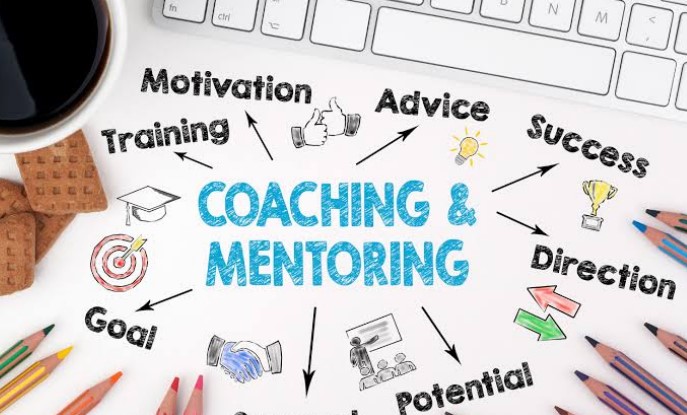
Source:https://www.mentoringcomplete.com
A few years into my executive management journey, I was assigned to manage a senior developer named Alex. On paper, he was brilliant. In reality, he was missing every major milestone, causing delays that rippled across our entire division.
The Driver vs. The Navigator: Coaching vs. Mentoring
-
The Coach (Performance Focus): Sitting in the driver’s seat while you sit beside them, asking, “What angle are you taking on this next turn?” or “What happens if your tires lose traction here?” The coach doesn’t take the wheel. They use questioning to sharpen your real-time execution and skill building.
-
The Mentor (Career & Wisdom Focus): Sitting with you after the race with a map, sharing, “I ran this exact mountain course five years ago during a heavy storm. Here is where the hidden hazards are, and here is how I navigated the long game.”
Strategic Comparison: Alignment of Purpose
+-------------------+-----------------------------------+------------------------------------+
| Core Dimension    | Professional Coaching             | Executive Mentoring                |
+-------------------+-----------------------------------+------------------------------------+
| Core Goal         | Skill acquisition & performance   | Long-term career & leadership growth|
| Primary Mechanism | Powerful questions & self-discovery| Wisdom transfer & advisory sharing |
| Relationship Type | Task-driven & performance-focused | Relationship-driven & holistic     |
| Timeline          | Short to medium-term (defined goals)| Long-term & open-ended             |
+-------------------+-----------------------------------+------------------------------------+
Core Pillars of High-Impact Coaching and Mentoring Techniques
1. The GROW Coaching Framework
-
Goal: What do you specifically want to achieve in this session or project?
-
Reality: What is happening right now? What obstacle is standing in your way?
-
Options: What could you do? What alternative routes haven’t you explored yet?
-
Will/Way Forward: What specific steps will you take, and by when?
2. Socratic Questioning over Direct Advising
3. Active Listening and the 80/20 Rule
-
Focus on: Paraphrasing, reflecting back key statements, and maintaining psychological safety.
-
LSI Terms: Active listening, 360-degree feedback, emotional intelligence (EQ), developmental feedback.
A Scannable Roadmap: Constructing a High-Yield Mentorship Session
-
Phase 1: Clear the Runway (5 Mins). Check in on personal well-being and review action items committed to during the previous meeting.
-
Phase 2: Define the Focus (10 Mins). Identify the singular topic for the session (e.g., navigating a difficult stakeholder, career progression, or mastering delegation).
-
Phase 3: Deep Exploration (25 Mins). Use open-ended questions to dissect the problem, explore alternative perspectives, and challenge underlying assumptions.
-
Phase 4: Commit to Execution (10 Mins). Have the mentee summarize their key insights and state their concrete commitments before the next call.
Expert Advice: Pro-Tips & Hidden Traps
Pro-Tip: Implement “Reverse Mentoring.” Pair junior digital natives with senior executives to share perspectives on emerging tech, operational friction, and shifting workplace dynamics. It breaks down siloed corporate hierarchies, accelerates organizational learning, and gives executives unfiltered insights into frontline challenges.
Avoid the “Rescuer Trap.” When you see a direct report struggling with a project, it is tempting to jump in, take over the work, and fix it yourself. Doing so creates institutional dependency, destroys trust, and signals to your team that you don’t believe in their capacity to solve hard problems.
Sustainable Leadership Drives Sustainable Scale
Bundling Products for Increased Ecommerce Sales

Source:https://codup.co
In late 2021, I audited a DTC skincare store struggling with a crippling reality: acquiring a single customer through paid ads cost $42, but their Average Order Value (AOV) was stuck at $38. Every sale meant losing $4 out of pocket.
The Fast-Food Combo Principle: Decoding the Psychology of Bundling
-
The A la Carte Frustration: Buying a burger, fries, and a soda separately forces your brain to calculate three distinct price points. You start questioning whether you really need those fries, feeling micro-friction at every step.
-
The Combo Solution: Ordering “Combo #2” presents a single, cohesive price tag with a small bundled discount. Your brain shifts focus from cost breakdown to convenience and perceived value. You walk away feeling like you got a smart deal, while the restaurant successfully doubled its ticket size.
The Strategic Matrix: Types of Ecommerce Bundles
+-------------------+-----------------------------------+------------------------------------+
| Bundle Type       | Core Mechanism                    | Primary Business Goal              |
+-------------------+-----------------------------------+------------------------------------+
| Pure Bundling     | Items available *only* as a set   | High margin, exclusive experience  |
| Mixed Bundling    | Items available together or solo  | Maximize AOV & conversion rate     |
| Cross-Sell Kits   | Main item + complementary add-on  | Increase basket size & inventory   |
| Volume/Tiered     | "Buy 2 get 10% off, Buy 3 get 20%"| Deadstock clearing & bulk velocity |
+-------------------+-----------------------------------+------------------------------------+
1. Pure vs. Mixed Bundling Strategy
-
Focus on: Mixed bundling is almost always the safer entry point for startups. It captures price-sensitive buyers looking for deals without alienating customers who only want a single replacement item.
-
LSI Terms: Mixed bundling, pure bundling, price elasticity, perceived value, perceived discount.
2. Strategic Cross-Sell Kitting
-
Focus on: Matching high-margin accessories with core hero products to maintain healthy gross margins while offering consumer savings.
-
LSI Terms: High-margin accessories, Stock Keeping Unit (SKU) rationalization, product affinity analysis.
4 Core Pillars for Creating Ecommerce Bundles That Convert
1. Leverage Data-Driven Product Affinity
2. Protect Your Gross Margin Structure
3. Streamline Fulfillment and Inventory Management
4. Create Clear Narrative Value
A Scannable Blueprint: Launching Your First High-Converting Bundle
-
Step 1: Conduct a Co-Purchase Audit. Analyze the last 90 days of order logs to identify top naturally co-purchased SKUs.
-
Step 2: Select Your Hero and Support SKUs. Pair one high-demand anchor item with 1-2 high-margin complementary accessories.
-
Step 3: Calculate the Discount Threshold. Target a 10% to 15% bundled savings rate while preserving a minimum 55% combined gross margin.
-
Step 4: Build a Dedicated Bundle PDP (Product Detail Page). Feature high-quality imagery showing all bundled items together, paired with clear savings badges.
-
Step 5: Test One-Click Post-Purchase Upsells. Offer the bundle on the checkout page or as a pop-up upgrade after a user adds the main hero item to their cart.
Expert Advice: Pro-Tips & Hidden Traps
Pro-Tip: Test “Build Your Own Bundle” (BYOB) functionality for catalog-heavy stores (like apparel, beauty, or food & beverage). Allowing customers to choose 3 items from a curated grid for a flat 15% discount yields significantly higher conversion rates than fixed, static bundles because it grants buyers a sense of control.
Avoid the “Presenter’s Paradox.” Research shows that pairing an expensive, high-end product with a cheap, low-value throwaway item can actually lower the overall perceived value of the bundle. Ensure every secondary item in a kit feels substantial and genuinely useful on its own.
Turning Basket Size into Scale
What’s Your Take?
Legal Pitfalls to Avoid in Business Partnerships

Source:https://www.howardstallings.com
In 2017, I watched two brilliant founders turn a napkin sketch into a $5 million ARR SaaS enterprise in under 18 months. They were college best friends, shared an office, and shook hands on a “50/50 split forever.”
The Business Marriage: Why Handshake Deals Fail
-
The Handshake Approach: You assume that passion, trust, and shared vision will carry you through every stormy season. When a major conflict over money or direction hits, you discover there are zero rules governing how to resolve the dispute, leading straight to expensive court proceedings.
-
The Structured Legal Approach: You map out how assets are split, who makes final operational decisions, and how to execute a clean separation if someone wants out. You hope you never need those clauses, but if crisis strikes, the blueprint saves everyone’s sanity and capital.
The Core Blueprint: Structuring Equity and Governance
+-------------------+-----------------------------------+------------------------------------+
| Legal Document    | Core Purpose                      | Critical Risk Mitigated            |
+-------------------+-----------------------------------+------------------------------------+
| Operating/Partnership Agreement | Governs daily control & profit split| Operational deadlocks & power struggles |
| Buy-Sell Agreement| Sets rules for partner exit/death | Unwanted forced share transfers     |
| Vesting Schedule  | Ties equity to ongoing tenure     | "Free-rider" equity retention      |
| IP Assignment     | Transfers code/assets to company  | Former partner claiming ownership  |
+-------------------+-----------------------------------+------------------------------------+
1. Partnership Agreements and Governance Structures
-
Focus on: Voting thresholds, capital contribution requirements, profit distribution timing, and fiduciary duty boundaries.
-
LSI Terms: Fiduciary responsibility, Operating Agreement, Articles of Organization, capital calls, minority shareholder rights.
2. Intellectual Property (IP) Assignment
-
Focus on: Immediate, comprehensive assignment of all domain names, codebases, trade secrets, and trademarks to the corporate entity.
-
LSI Terms: Intellectual property assignment agreement, proprietary information, work-for-hire, patent rights.
4 Lethal Legal Pitfalls That Destroy Business Partnerships
1. The 50/50 Equity Trap
2. Unvested Equity Grants
3. Vague Exit and Buy-Sell Provisions
4. Commingling Personal and Business Assets
A Scannable Roadmap: Drafting Your Dispute Resolution Clause
-
Stage 1: Mandatory Executive Negotiation. Require partners to meet formally within 14 days of a written grievance to negotiate in good faith.
-
Stage 2: Non-Binding Mediation. If internal talks fail, bring in a certified third-party business mediator to facilitate a compromise.
-
Stage 3: Binding Private Arbitration. If mediation fails, resolve the matter out of court through binding arbitration under recognized institutional rules.
-
Stage 4: Shotgun / Texas Shootout Clause. For unresolvable operational deadlocks, trigger a mechanism where one partner offers to buy out the other at a set price per share, forcing the recipient to either sell at that price or buy out the offering partner on identical terms.
Expert Advice: Pro-Tips & Hidden Traps
Pro-Tip: Include a explicit “Key Person” insurance provision funded by the business. If a managing partner unexpectedly passes away or becomes permanently disabled, the insurance payout provides the company with immediate liquidity to purchase the deceased partner’s shares from their estate without draining operational cash flows.
Watch out for informal “Joint Venture Liability.” If you collaborate closely with another business on a client project and market your services together under a joint banner without a formal non-partnership disclaimer, courts may classify your arrangement as an implied legal partnership. That means you could be held 100% liable for your collaborator’s legal mistakes or debt defaults!
Legal Safety as a Catalyst for Business Growth
Eco-Friendly Operations: Practices That Make a Difference

Source:https://azbigmedia.com
In 2018, I walked through the main fulfillment warehouse of a mid-sized e-commerce client. On paper, they were thriving—revenue was up 40% year-over-year. But on the floor, I watched workers wrap small wooden cutting boards in three layers of non-recyclable bubble wrap, place them inside oversized corrugated boxes, and fill the empty space with plastic air pillows.
The Leaky Bucket: Rethinking Operational Sustainability
-
The Traditional Setup: You turn the thermostat to maximum heat because your windows are single-pane, unsealed, and drafty. You are spending thousands of dollars pumping warmth into a house that leaks energy out of every crack.
-
The Eco-Optimized Setup: You insulate the walls, seal the window frames, and install a smart heat pump. You stay warmer while cutting your monthly utility bill in half.
The Operational Decarbonization Matrix
+--------------------+--------------------------------+--------------------------------------+
| Operational Focus  | Primary Resource Leak          | High-Impact Sustainable Solution     |
+--------------------+--------------------------------+--------------------------------------+
| Facility Energy    | HVAC inefficiency & idle power  | IoT sub-meters & smart microgrids   |
| Supply Chain       | Scope 3 transport emissions    | Regional sourcing & route grouping   |
| Material Lifecycle | Single-use packaging & scrap   | Closed-loop circular procurement     |
| Digital Infra      | Server bloat & idle cloud load | Green cloud hosting & data pruning   |
+--------------------+--------------------------------+--------------------------------------+
1. Facility Energy Management and Microgrids
-
Focus on: Automated energy management systems (EMS), peak-load shaving, and transitioning to renewable power purchase agreements (PPAs).
-
LSI Terms: Scope 1 emissions, building automation systems (BAS), energy intensity metrics, LED retrofitting.
2. Supply Chain Optimization and Logistics
-
Focus on: Route optimization algorithms, freight consolidation, and auditing Tier 1 and Tier 2 vendor practices.
-
LSI Terms: Scope 3 emissions, reverse logistics, freight density, localized sourcing networks.
3. Circular Material Flow and Waste Reduction
-
Focus on: Zero-waste-to-landfill certifications, sustainable packaging redesign, and materials recovery programs.
-
LSI Terms: Circular economy, extended producer responsibility (EPR), life cycle assessment (LCA), bio-based polymers.
4 Concrete Practices That Drive Immediate ROI
1. Execute a Comprehensive Resource Audit
2. Redesign Packaging Architecture
-
Switch to right-sized packaging: Utilize automated on-demand box cutting machines to eliminate void-fill materials.
-
Adopt mono-materials: Replace complex multi-layer plastics with easily recyclable, single-material paper substrates.
3. Digitally Prune Your Cloud Infrastructure
4. Implement Green Procurement Policies
A Scannable Roadmap: Launching an Internal Waste Audit
-
Phase 1: Map the Waste Streams. Identify every physical input (raw materials, paper, water) and output (scrap, packaging, wastewater) across your operations.
-
Phase 2: Calculate True Cost of Waste (TCW). Factor in procurement cost, handling fees, and disposal charges for wasted materials—not just the landfill tipping fee.
-
Phase 3: Target Quick Wins. Address high-volume, low-effort waste streams first, such as switching to bulk material dispensers or eliminating single-use warehouse consumables.
-
Phase 4: Standardize SOPs. Lock in your gains by updating standard operating procedures (SOPs) and training staff on new material-handling protocols.
Expert Advice: Pro-Tips & Hidden Traps
Pro-Tip: Gamify sustainability for your ground-level workforce. Executive mandates rarely stick without frontline buy-in. Offer team bonuses or peer recognition programs for operational staff who identify and successfully eliminate workflow inefficiencies or material waste.
Avoid the “Efficiency Rebound Effect” (Jevons Paradox). When you make a process cheaper and more energy-efficient, your team may naturally start using more of it, completely offsetting your carbon reductions. Always pair efficiency upgrades with clear usage caps and sustainability governance policies.
Sustainable Operations as a Driver of Long-Term Value
Data Protection Compliance: What Every Business Should Know

Source:https://akarintienterprise.id
At 2:00 AM on a crisp Tuesday morning, a founder I advised received the email every executive dreads: an unencrypted database backup had been exposed online for 72 hours. It didn’t contain stolen credit card numbers, but it did store names, email addresses, and unhashed IP addresses.
The Digital Bank Vault: Understanding Modern Data Privacy
-
The Old Mindset: You treat customer data like paper cash left out on open counters. If someone walks off with a stack, you blame the thief, lock the door after the fact, and carry on.
-
The Compliant Mindset: You treat customer data like safety deposit boxes inside a reinforced vault. You keep strict logs of who accesses each box, why they need it, and when it is opened. Most importantly, you destroy the contents the moment the owner asks for them back.
Global Frameworks Demystified: GDPR, CCPA, and Beyond
+--------------------+--------------------------------+-------------------------------------+
| Framework          | Primary Jurisdiction           | Core Focus & Penalty Risk           |
+--------------------+--------------------------------+-------------------------------------+
| GDPR               | European Union & EEA           | Strict Consent, Up to 4% Global Rev |
| CCPA / CPRA        | California, USA                | Consumer Opt-Out Rights, Civil Fines|
| Regional Privacy   | Various (e.g., Brazil, APAC)   | Data Residency, Cross-Border Control|
+--------------------+--------------------------------+-------------------------------------+
1. General Data Protection Regulation (GDPR)
-
Core Focus: Explicit opt-in consent, purpose limitation, and the “Right to Be Forgotten.”
-
LSI Terms: Data Controller, Data Processor, Legal Basis, Data Protection Impact Assessment (DPIA).
2. State-Level & Regional Frameworks (e.g., CCPA/CPRA)
-
Core Focus: Transparency at data collection points and explicit “Do Not Sell/Share My Info” mechanisms.
-
LSI Terms: Sensitive Personal Information (SPI), Consumer Access Request (DSAR), Third-Party Sharing.
The Core Pillars of Effective Data Protection Compliance
1. Data Minimization
2. Explicit Consent Architecture
3. Purpose Limitation and Storage Limits
4. Continuous Technical Safeguards
A Scannable Roadmap: Handling Data Subject Access Requests (DSAR)
-
Step 1: Identity Verification. Verify the requester actually owns the account before exporting or wiping any files.
-
Step 2: System Audit. Search your central database, active CRM platforms, third-party analytics tools, and legacy backups.
-
Step 3: Secure Export or Deletion. Package the structured data securely or run verified deletion scripts across all environments.
-
Step 4: Formal Confirmation. Send a clear confirmation letter within your legal deadline (typically 30 to 45 days).
Expert Advice: Pro-Tips & Hidden Traps
Pro-Tip: Audit your third-party SaaS vendors today. You are legally responsible for the data security of every external tool you use. Ensure every software vendor handling your customer records has signed a formal Data Processing Agreement (DPA) containing standard contractual clauses.
Beware of “Zombie Data.” Teams often carefully secure their main production databases while leaving unencrypted CSV files, staging environment dumps, and old customer exports sitting forgotten in shared cloud storage drives. These forgotten files cause over 60% of avoidable data leaks.
Compliance as Your Ultimate Competitive Advantage
What’s Your Take?
Communicating CSR Initiatives to Stakeholders Effectively

Source:https://one-more-tree.org5
A few years ago, I sat in a boardroom with an executive team proudly celebrating a $2 million ocean cleanup campaign. They had the budget, the intent, and the glossy photos. Yet six months later, their public sentiment scores tanked. Why? Their audience felt it was nothing more than expensive performance art.
Why CSR Communication Fails (And the Greenwashing Trap)
-
The wrong approach: Posting a heavily filtered gym selfie with a caption claiming you’re in peak athletic condition, while hiding your poor diet.
-
The right approach: Showing your starting weight, sharing your weekly workout routine, acknowledging the days you missed, and tracking measurable progress over time.
Mapping Your Stakeholders: One Size Fits None
+-------------------+--------------------------------+-----------------------------------+
| Stakeholder Group | Primary Concern                | Recommended Tone & Channel        |
+-------------------+--------------------------------+-----------------------------------+
| Investors         | Risk Mitigation & ROI          | Data-heavy, ESG Reports, Deck     |
| Employees         | Purpose, Pride & Culture       | Interactive, Intranet, Town Halls |
| Customers         | Brand Ethics & Product Impact  | Visual Stories, Social, Packaging |
| Local Community   | Direct Impact & Accountability | Public Forums, Local Press        |
+-------------------+--------------------------------+-----------------------------------+
1. Investors and Board Members
-
Focus on: Materiality matrix, financial efficiency, regulatory compliance, and risk reduction.
-
Key Metrics: Scope 1, 2, and 3 emissions reductions, supply chain audit scores, and labor retention rates.
2. Employees and Internal Teams
-
Focus on: Purpose-driven initiatives, internal volunteer programs, and tangible cultural impact.
-
Key Metrics: Employee Net Promoter Score (eNPS), volunteer hours completed, and internal participation rates.
3. Customers and the Public
-
Focus on: Micro-impact stories, product sourcing transparency, and relatable goals.
-
Key Metrics: Customer sentiment, brand loyalty scores, and social engagement.
Framework: The 4 Cs of Effective CSR Messaging
1. Clarity
2. Consistency
3. Proof (Corroboration)
4. Compassion
How to Build a Scannable, High-Impact CSR Narrative
-
Lead with the Baseline: State clearly where you started (e.g., “In 2021, our facilities generated 50 tons of plastic waste annually”).
-
Highlight the Goal: Define the target (e.g., “Goal: Reduce plastic waste by 60% within three years”).
-
Show Real Progress: Share current milestones (e.g., “Status: Reduced by 35% as of Q3 2025 through redesigned packaging”).
-
Acknowledge Roadblocks: Explain challenges openly (e.g., “Supply chain delays in sourcing recycled materials temporarily slowed our progress in Q2”).
Expert Advice: Pro-Tips & Hidden Traps
Pro-Tip: Activate your middle management. Executives set the policy, but team managers live it. Equip your line managers with simple CSR talk-tracks so they can articulate your sustainability goals natively during team meetings and client interactions.
Avoid the “Hero Complex.” Never frame your company as saving a disadvantaged community. Focus instead on long-term partnerships, capacity building, and local empowerment. If your narrative ignores the dignity of the people you are trying to help, it will backfire publicly.
Turning Communication into Continuous Dialogue
What’s Your Take?
Exploring Online Consulting Platforms for Scale

Source:https://i0.wp.com
In my fourth year of management consulting, I hit what felt like an invisible ceiling. I was working 70 hours a week, billing top-tier rates, and flying cross-country every Sunday evening. From the outside, it looked like peak professional success.
Inside, however, I was completely trapped. My income was directly chained to my physical calendar, and I was turning away high-potential mid-market clients simply because I didn’t have the calendar capacity to service them one-on-one.
That was the moment I realized that trading time for money is the ultimate growth trap for advisors.
To truly break past that revenue ceiling, you have to transition from a manual service provider to a scalable advisory ecosystem. That is where leveraging online consulting platforms changes the game entirely—converting localized, hourly consulting into an automated, borderless enterprise.
The Scale Paradox: Why Traditional Consulting Hits a Wall
Most boutique consultants and subject matter experts rely on word-of-mouth referrals, custom pitch decks, and manual invoice tracking. While this high-touch model works well in the early stages, it quickly creates operational bottlenecks as client demand grows.
Think of traditional one-on-one consulting like running an artisan boutique coffee shop. You hand-craft every single cup yourself. It tastes phenomenal, but the line outside can only move as fast as your two hands can brew.
Utilizing scalable advisory software is like building a premium automated distribution network. You still formulate the signature roast, but modern platforms handle the ordering, scheduling, payment processing, and core delivery mechanics at infinite scale without diluting quality.
[ Traditional Consulting ] ──> Hourly Billing ──> Calendar Bottleneck ──> Revenue Ceiling
[ Digital Platforms ]     ──> Asynchronous Workflows + Fractional Retainers ──> Uncapped Scale
1. Categorizing Online Consulting Platforms for Maximum Growth
Not all advisory portals are created equal. Depending on your business model, target audience, and delivery style, you need to align with the right digital ecosystem.
                                  ┌─────────────────────────────────┐
                                  │   ONLINE CONSULTING PLATFORMS   │
                                  └────────────────┬────────────────┘
                                                   │
         ┌─────────────────────────────────────────┼─────────────────────────────────────────┐
         ▼                                         ▼                                         ▼
[ Marketplace Networks ]                 [ All-In-One SaaS Suites ]               [ Expert-Network Portals ]
 • Upwork, Catalant                     • Kajabi, Mighty Networks                • GLG, AlphaSights
 • Fast client acquisition              • Full brand ownership                   • Ultra-high hourly rates
 • High platform fees                   • Higher tech setup                      • Strictly transactional
A. Talent Marketplaces and On-Demand Portals
Platforms like Catalant, Business Talent Group (BTG), or specialized freelance hubs aggregate client demand directly. They act as matchmaking engines connecting enterprise buyers with vetted domain experts.
-
Best For: Consultants starting out who need fast client acquisition without heavy ad spend.
-
Trade-Off: Limited brand equity ownership and platform commission cuts (often 10%–20%).
B. All-In-One Knowledge Commerce and Coaching Hubs
SaaS solutions like Kajabi, Paperbell, or custom advisory portals allow you to build your own branded ecosystem. They integrate scheduling, CRM, payment gateways, and asynchronous course delivery into a single dashboard.
-
Best For: Mid-tier consultants moving into group advisory, productized services, and cohort-based programs.
-
Trade-Off: Requires independent marketing and audience building to generate traffic.
C. Micro-Advisory and Expert Network Platforms
Platforms like GLG (Gerson Lehrman Group), AlphaSights, or Clarity.fm facilitate high-margin, short-duration phone or video consultations for corporate executives and investors.
-
Best For: Niche domain specialists looking to monetize elite knowledge in 30-to-60-minute bursts.
2. Key Architectural Features to Look For in Advisory Software
Over ten years of scaling operations, I’ve seen consultants lose thousands of dollars by picking platforms based on flashy marketing rather than core operational architecture.
| Core Feature | Traditional Manual Approach | Scaled Digital Platform Solution | Business Impact |
| Client Onboarding | Manual PDFs & email threads | Automated intake forms & instant portal access | 90% reduction in admin setup |
| Scheduling Engine | Back-and-forth email scheduling | Time zone-aware calendar integration | Zero double-booking errors |
| Billing & Payments | Invoicing after 30 days | Upfront credit card authorizations & auto-retainers | 100% elimination of unpaid accounts |
| Knowledge Delivery | Live 1-on-1 calls for basic concepts | Pre-recorded modules + async Q&A messaging | Scalable margin expansion |
Pro Tip: Prioritize platforms that offer native asynchronous communication features (such as voice note feedback or Loom integrations). Shifting just 30% of your client updates to video messages reclaims up to 10 hours of live meeting time per week.
3. Productizing Your Expertise: The Secret to Infinite Scale
Signing up for online consulting platforms won’t magically scale your business if your delivery model remains tied strictly to one-on-one video calls. You must transform your service into a productized consulting offer.
┌─────────────────────────────────────────────────────────┐
│               THE SCALED ADVISORY LADDER                │
├──────────────┬───────────────┬────────────┬─────────────┤
│ Level 1:     │ Level 2:      │ Level 3:   │ Level 4:    │
│ Micro-Calls  │ Async Access  │ Cohort     │ Enterprise  │
│ (Clarity.fm) │ (SaaS Portal) │ Advisory   │ Retainer    │
└──────────────┴───────────────┴────────────┴─────────────┘
Step-by-Step Framework for Productization:
-
Audit Your Repeatable Frameworks: Identify the core questions every client asks during their first three sessions. Convert those answers into video modules, templates, and SOPs.
-
Build a Hybrid Coaching Architecture: Deliver foundational training via pre-recorded platform modules, reserving live calls purely for high-level strategy and accountability.
-
Introduce Fractional & Tiered Retainers: Offer clients structured monthly access tiers (e.g., Tier 1: Platform & Async Access; Tier 2: Monthly Live Strategy Call; Tier 3: Unlimited Direct Advisory).
4. Avoiding the Hidden Pitfall: Platform Reliance and Data Lock-In
While centralized portals accelerate initial momentum, relying exclusively on a single marketplace carries major long-term strategic risks.
The “Rented Land” Trap
Warning: If an online marketplace holds your client contacts, controls your communication channels, and processes payments internally, you do not own a consulting business—you are a high-paid subcontractor for that platform.
Always ensure that any platform you choose allows you to export your customer data, email lists, and analytics. Build your core brand identity on assets you own directly (your domain and private email list), using third-party portals strategically as acquisition channels.
5. Optimizing Conversion Rates on Digital Consulting Marketplaces
If you use marketplace-based online consulting platforms to acquire new enterprise clients, your digital footprint determines your win rate.
Optimization Best Practices:
-
Lead with Specific Outcomes, Not Credentials: Instead of listing “10 Years in Financial Advisory,” frame your headline as “I Help Mid-Market SaaS Founders Optimize Unit Economics Before Series B.”
-
Showcase Verified Social Proof: Feature video testimonials, detailed case studies, and concrete metrics ($ revenue added, % efficiency gains) directly on your profile page.
-
Offer a Low-Friction Entry Point: Create a high-value, fixed-price “Audit” or “Strategy Blueprint” session that allows prospective clients to test your expertise before committing to a larger retainer.
Build Your Borderless Advisory Empire
Transitioning to online consulting platforms is not about reducing the personal value you bring to your clients. It is about removing administrative friction, protecting your time, and building an infrastructure that allows your expertise to impact hundreds of businesses instead of just a handful.
By choosing the right tech stack, productizing your core frameworks, and protecting your data assets, you can transform your knowledge into a high-margin, predictable, and truly scalable business.